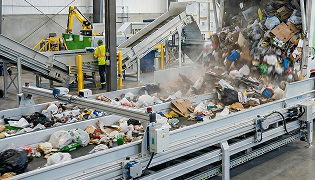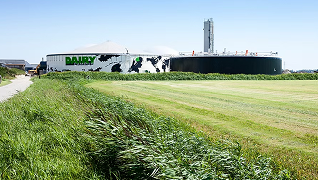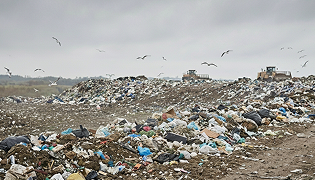
The U.S. Treasury Department has released long-awaited draft guidance on Section 45Z clean fuel production credits, and the language is drawing attention from waste-to-energy developers and biogas producers nationwide. The guidance clarifies how biogas and renewable natural gas (RNG) produced from organic waste streams — including municipal solid waste — may qualify for these credits.Section 45Z was introduced as part of the Inflation Reduction Act and is designed to incentivize the domestic production of low-carbon fuels. For producers of pipeline-grade RNG from anaerobic digestion or gasification of organic waste, the credits could represent a meaningful improvement in project economics.The draft guidance specifies lifecycle emissions thresholds that projects must meet to qualify, and establishes methodologies for calculating the carbon intensity of various feedstocks and production pathways. Projects utilizing municipal solid waste or food waste as feedstock may benefit most, given the high methane-avoidance credit associated with diverting organic material from landfills.Industry stakeholders are reviewing the guidance and many expect the final rules to further clarify how co-processing of multiple waste streams will be treated, and whether credits can be stacked with existing RNG incentive programs.
Circular Economy
Municipalities Adopting Organic Waste Recycling to Extend Life of Existing Landfills
Feb 09, 2026
Read More