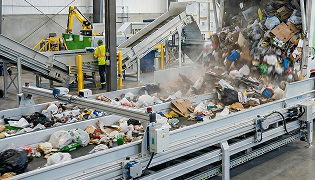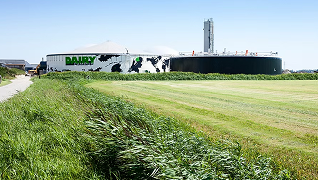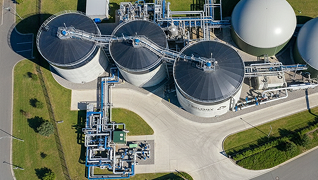
Municipalities across the United States are increasingly implementing organic waste recycling programs as landfill capacity tightens and siting new facilities becomes more politically and logistically difficult. Programs ranging from curbside composting to commercial food waste bans are being adopted at the city and state level, driven by the dual goal of diverting organic material and extending the operating life of existing landfill sites.The trend reflects a growing recognition that food waste and organic material — which decompose rapidly in landfills and produce significant quantities of methane — represent both a capacity burden and an emissions liability. By diverting these materials through composting or anaerobic digestion, municipalities can meaningfully slow the rate at which their landfills fill.However, traditional source-separation programs require significant behavioral change from residents and businesses, and often demand costly infrastructure investment in collection vehicles, sorting facilities, and processing capacity. Many cities have struggled with participation rates and contamination levels that reduce the value of collected organics.The article highlights several municipal programs that have achieved meaningful diversion rates, but also notes the challenges of scaling these programs in communities where separate collection infrastructure does not yet exist.
Regulatory
Treasury Releases Tax Credit Language That Could Spur Biogas Investment
Feb 05, 2026
Read More